5 Reasons Outdoorsmen Are Ditching Their Bug Spray For Pinemoor This Tick Season
 By Wade Patterson ·

Thirty-five seasons of OFF! on my arms and permethrin on my pants, and I still got bit. This is why I switched to Pinemoor.
1. The bug spray you’ve been using might be more dangerous than the ticks.
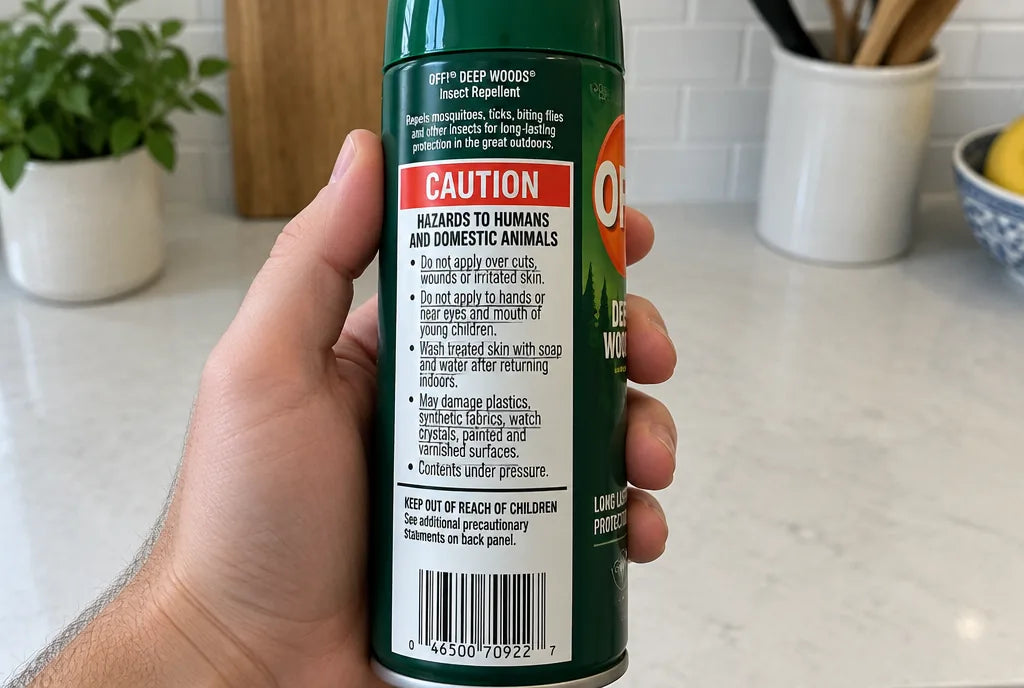
Permethrin’s own label says clothing only, keep off skin — the EPA calls it “likely carcinogenic.” DEET is a solvent strong enough to melt fishing line, and you’ve been rubbing it into your arms.
Pinemoor is five organic herbs in pure maple syrup. Safe enough to hand the grandkids.
2. Bug spray covers only where you spray. Pinemoor protects your whole body.

A tick climbs until it finds the inch you missed — the sock line, the back of the knee, the hairline.
Pinemoor works from the inside out, ankles to scalp, up to 18 hours from one morning dose. Nothing to reapply, nothing to sweat off.
3. Ticks hunt you by smell. The plant compounds in Pinemoor stop that.
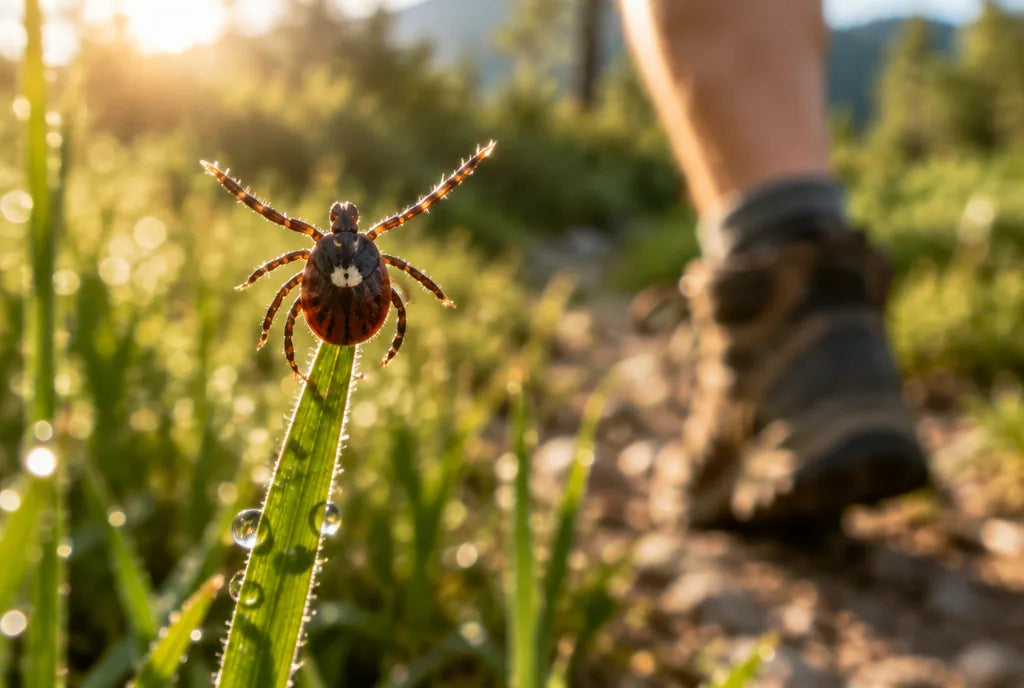
A tick is blind. It finds you by your breath, your heat and the scent off your skin.
Spray hides one patch. Pinemoor changes the scent coming off your entire body, so the tick never reads you as food and moves on.
4. One tick bite can take steak off your dinner plate for life.

One lone star tick bite can trigger alpha-gal syndrome — a permanent allergy to red meat. No steak, no burgers, no venison. Ever.
Eight drops every morning is how you keep the grill in your life.
5. Deer and other animals can smell bug spray. They can’t smell Pinemoor.

DEET rides the breeze straight to a whitetail’s nose and blows your stand before you draw.
Pinemoor goes in, not on — no chemical scent coming off you, so the buck walks right in.